
For more than a century, Bohonnon Law Firm has represented clients in the purchase, sale, construction and operation of vessels. We handle the entire transaction — contract negotiation through closing — and the ownership structure around it: domestic and offshore entities, U.S. and foreign flagging, the regulatory framework, and the management and crew agreements that follow. Two of our attorneys are Proctors in Admiralty of the Maritime Law Association of the United States. We work with clients nationwide and internationally, alongside their brokers, lenders, insurers and advisors.
Proctors In Admiralty — Maritime Law Association of the United States
Chaired The ABA Commercial Law Yacht Financing Committee, 2011–2019
Counsel On Domestic And Offshore Flagging — United States, Cayman Islands, Marshall Islands
More Than A Century Of Maritime Practice
Yacht
Lawyers — It’s Our Specialty
A yacht purchase is often described as being like a real estate closing. The comparison is useful right up to the point where it becomes expensive.
A vessel is not recorded with a land registry. A U.S.-flagged yacht of at least five net tons is documented with the Coast Guard under 46 U.S.C. § 12103, which also requires that the vessel be wholly owned by qualifying U.S. citizens or entities and not documented under the laws of a foreign country. Those requirements shape your ownership structure before you ever reach a closing table.
Your lender’s security is a preferred ship mortgage. Under 46 U.S.C. § 31322 it only achieves preferred status if it covers the whole of the vessel and is filed in substantial compliance with 46 U.S.C. § 31321 against a documented vessel — so the documentation and the filing have to be sequenced correctly, or the security is not what anyone assumed it was.
What We Handle
We act as transaction counsel for the vessel and everything attached to it. Most clients come to us at one of three moments: they have identified a yacht to buy, they are commissioning a build, or they are selling.
Yacht Purchase & Sale Agreements
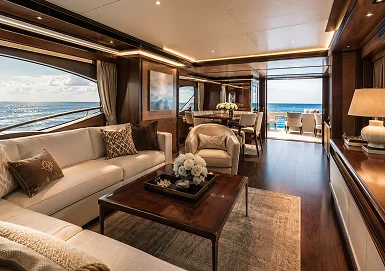
We represent buyers and sellers through the entire transaction — letter of intent, purchase and sale agreement, survey and sea trial contingencies, deposit and escrow protection, closing and delivery. On new builds, we negotiate the construction contract, the milestone payment schedule, the escrow and refund guarantees, and the warranty and delivery terms.

Yacht Ownership Structuring
How a vessel is owned and where it is flagged determines its tax treatment, its charter eligibility, its financing and its regulatory exposure — and it is very hard to unwind after closing. We advise on domestic and offshore ownership entities, on United States documentation and on foreign registries including the Cayman Islands and the Marshall Islands, and we handle the filings that follow.

Maritime Ownership & Business Law
We provide representation in all maritime disputes, including leading arbitration, litigation and appeals.

Yacht Financing & Escrow
We represent both borrowers and institutional lenders in vessel financing, including preferred ship mortgages, escrow arrangements, intercreditor and security issues, refinancing, and workouts and secured creditor matters.
Yacht & Mega Yacht Management
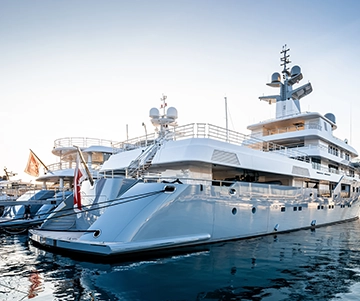
Yacht and mega yacht management agreements, charter and central agency agreements, captain and crew employment terms, and the regulatory and safety documentation that commercial or charter use requires.

Yacht Tax & Customs
Federal and state tax matters as they relate to vessels, customs entry, import duty and tariff exposure, and the tax consequences of how and where a vessel is owned, flagged and used.
Representative Matters
Our attorneys have appeared in federal and state court, before federal appellate courts, and in arbitration and administrative proceedings on maritime and vessel finance matters.
Prior results do not guarantee a similar outcome. Every matter is decided on its own facts.
Norwalk Cove Marina, Inc. v. Oil Screw Dolphin
in rem action against a vessel. U.S. District Court, District of Connecticut, 3:07-CV-0008.
William Hefner v. Van-Breems-Holland Yachts, Inc.
yacht dealer dispute. U.S. District Court, District of Connecticut, 3:02-CV-00407.
MMIF, LLC v. M/V Hornblower Hybrid
vessel dispute. U.S. District Court, District of Connecticut, 3:12-CV-00452.
Thomas A. Feigum, et al. v. Dalton Yacht
yacht dispute. U.S. District Court, District of Connecticut, 3:02-CV-1743.
Credentials And Memberships



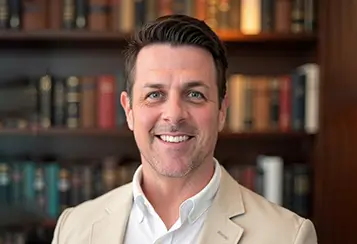
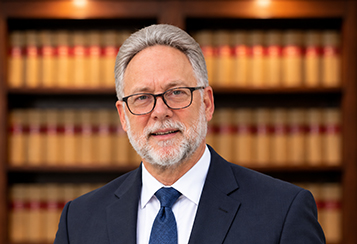
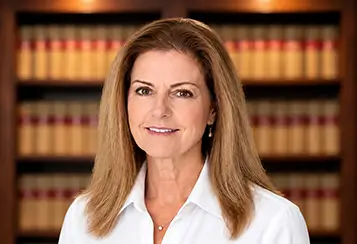
Our
Attorneys
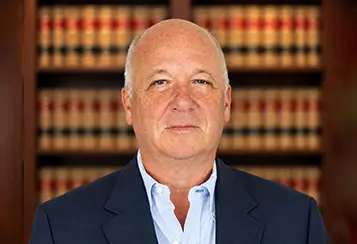
A small bench, deliberately. You work with
the attorney handling your transaction, not
a team you never meet.


Who We Represent
We represent clients nationwide and internationally, and we work alongside the brokers, lenders, insurers, managers and advisors already around a transaction. Much of our work comes to us from those professionals.
Owners & Buyers
- Private & mega yacht owners
- First-time buyers
- Companies buying or selling vessels for business use
- Owners commissioning new construction
Professional Advisors
- Family offices
- Tax & estate counsel
- Accountants & wealth managers
- Coordinating a client's vessel purchase
The Marine Industry
- Yacht brokers & central agents
- Marine lenders & finance companies
- Yacht management companies
- Marinas & boat yards
What Clients & Colleagues Say

“Deal closed. Thanks Dave for your usual flawless support.”
- L.C.

“Thanks for navigating us through the complexities of a very involved matter.”
- J.M.
“My concerns over a claimed tax liability are now favorably resolved beyond our expectations.”
- R.V.
Questions We Are Asked Most
Short answers to what owners, buyers, brokers and lenders ask us most often. This is
general information, not legal advice for your transaction.
What does a yacht lawyer do that my regular attorney cannot?
Should I own my yacht through an entity, and does the flag state matter?
What is a preferred ship mortgage, and why does my lender require one?
Someone filed a lien against my boat. Can they do that?
What should be in a new yacht construction contract?
What taxes and duties apply when I buy or import a yacht?
Do you handle transactions outside Connecticut and Massachusetts?
What does it cost to work with the firm?
Do you handle injuries that happen aboard a vessel?
How A Transaction Works With Us
Most clients reach us with a vessel already identified and a broker already involved. Here is what happens next.
First conversation
We review the vessel, the intended use, the ownership and flag options, and the timeline — and tell you where the real risk in this particular deal sits.
Structure and contract
We negotiate the purchase, sale or construction agreement and set up the ownership entity and flag strategy before your deposit is committed. On a build, that includes the payment schedule, escrow and refund security.
Diligence and closing
Title and maritime lien search, documentation and registry filings, the preferred mortgage if there is financing, escrow, customs entry, and closing and delivery.
After delivery
Management, charter and crew agreements, registry and documentation upkeep, and the tax and customs questions that follow the vessel for as long as you own it.
Reach Your Destination Safely
With Bohonnon Law Firm, LLC
At Bohonnon Law Firm, our Connecticut admiralty attorneys are a fourth-generation law firm with a 100-year family tradition of legal service to the state of Connecticut, the cities of New Haven and Westport and the maritime community.
Discuss Your Transaction
The earlier we are involved, the more of the risk we can take off the table — ideally before a deposit is committed or a contract is signed. If you are working with a broker, lender or family office, we are used to coordinating with them directly
Tell Us About Your ConcernStart the Conversation
Fields marked with an * are required

*Images are obtained under license from Canva and other third-party stock image providers, with attribution included where required.
© 2026 Bohonnon Law Firm, LLC • All Rights Reserved. Disclaimer | Site Map | Privacy Policy 